Recipes Timez
What to Do If You Think You’re Having a Heart Attack at Home
Thinking you might be having a heart attack can be frightening, especially when you are at home. The most important thing to remember is that a suspected heart attack is a medical emergency. You should not try to diagnose or treat it on your own or wait for the symptoms to become severe.
If you are experiencing possible heart attack symptoms right now, call your local emergency medical service immediately. Getting professional help quickly can give you the best chance of receiving appropriate treatment.
What Should You Do First?
If you think you are having a heart attack, stop whatever you are doing and call your local emergency number.
Do not wait several minutes to see whether the symptoms disappear. Do not assume that chest discomfort is simply heartburn, indigestion, stress, or muscle pain.
While waiting for emergency help:
-
Sit down and rest in a comfortable position.
-
Avoid walking around or doing physical activity.
-
Keep your phone nearby.
-
Unlock the door if you are alone and can do so safely.
-
Tell someone nearby what is happening if possible.
-
Follow the instructions given by the emergency dispatcher.
-
Do not drive yourself to the hospital.
If another person is with you, ask them to stay nearby until medical help arrives.
What Does a Heart Attack Feel Like?
Heart attack symptoms can vary significantly from person to person.
The most familiar symptom is discomfort in the chest. It may feel like pressure, squeezing, fullness, heaviness, tightness, or pain.
Some people describe it as though something is pressing on their chest. Others may feel a burning or uncomfortable sensation.
Possible symptoms include:
-
Chest pressure or discomfort
-
Pain or discomfort in one or both arms
-
Pain in the back, neck, jaw, or upper stomach
-
Shortness of breath
-
Cold sweating
-
Nausea or vomiting
-
Lightheadedness
-
Weakness or unusual tiredness
-
A feeling that something is seriously wrong
-
A fast or irregular heartbeat
You do not need to have all of these symptoms to require emergency medical attention.
Can a Heart Attack Happen Without Severe Chest Pain?
Yes.
Although chest discomfort is a common sign, not everyone experiences the classic crushing chest pain often shown in movies and television.
Some people may experience mild pressure, unusual fatigue, shortness of breath, nausea, sweating, or discomfort in the back or jaw.
Women, older adults, and people with certain medical conditions may be more likely to experience less typical symptoms.
Because symptoms can vary, it is important not to dismiss concerning symptoms simply because your chest does not hurt severely.
Should You Wait to See If the Symptoms Go Away?
No.
One of the most dangerous mistakes during a possible heart attack is waiting too long before seeking help.
Symptoms can sometimes come and go. You may feel better temporarily and assume the problem has passed.
However, temporary improvement does not necessarily mean that everything is okay.
If you have unexplained chest discomfort or other symptoms that could indicate a heart attack, contact emergency medical services rather than waiting for the symptoms to become worse.
Should You Drive Yourself to the Hospital?
No.
If you believe you are having a heart attack, do not drive yourself.
A heart attack can cause sudden weakness, fainting, dangerous changes in heart rhythm, or loss of consciousness. If this happens while you are driving, you could seriously endanger yourself and other people.
Emergency medical professionals can begin assessing and treating you while transporting you to a medical facility.
If emergency transportation is genuinely unavailable, have another person drive you rather than driving yourself.
What Should You Do If You Are Alone?
Being alone during a suspected heart attack can be frightening, but there are several practical steps you can take.
First, call your local emergency number.
Tell the dispatcher that you think you may be having a heart attack and provide your location.
Then sit or lie in a safe, comfortable position as instructed. Keep your phone nearby.
If you can safely unlock your front door, do so. This can make it easier for emergency responders to reach you.
Do not spend time gathering belongings or trying to clean the house before help arrives.
Your priority should be getting emergency medical assistance.
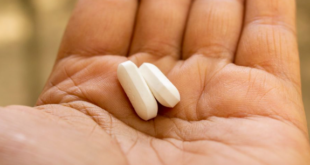
Should You Take Aspirin During a Suspected Heart Attack?
Aspirin may be recommended in some cases of suspected heart attack, but it is not appropriate for everyone.
Some people should not take aspirin because of an allergy, bleeding risk, certain medical conditions, or previous medical advice.
If an emergency dispatcher or healthcare professional tells you to take aspirin and you have no reason to avoid it, follow their instructions.
Do not delay calling emergency services while looking for medication.
Most importantly, aspirin is not a substitute for emergency medical treatment.
What If You Already Have Heart Medication?
If a doctor has prescribed medication for chest pain or a heart condition, use it only according to the instructions you have been given.
Do not take medication prescribed to another person.
Do not increase your usual dose unless a medical professional specifically tells you to do so.
If you have been given a personal emergency plan by your doctor, follow that plan while waiting for professional help.
What If Someone Else Is Having a Heart Attack?
If you are with someone who may be experiencing a heart attack, call emergency medical services immediately.
Help the person sit or rest comfortably and stay with them.
Do not encourage them to walk around or exercise to “see if it gets better.”
Keep an eye on their condition while waiting for emergency assistance.
If the person becomes unresponsive and is not breathing normally, the situation may have progressed to cardiac arrest.
What Is the Difference Between a Heart Attack and Cardiac Arrest?
A heart attack and cardiac arrest are not the same thing.
A heart attack happens when blood flow to part of the heart becomes blocked. The heart usually continues beating during a heart attack.
Cardiac arrest occurs when the heart suddenly stops pumping blood effectively.
A heart attack can sometimes lead to cardiac arrest, but they are different medical emergencies.
If a person becomes unconscious and is not breathing normally, call emergency services and begin CPR if you are able to do so.
What Should You Do If Someone Stops Breathing?
If someone suddenly collapses, becomes unresponsive, and is not breathing normally, call emergency medical services immediately.
Begin CPR if you know how to perform it.
If you are not trained in CPR, follow the emergency dispatcher’s instructions. In many emergency situations, dispatchers can guide people through chest compressions.
If an automated external defibrillator is available, turn it on and follow its instructions.
The most important thing is to act quickly rather than simply waiting for help to arrive.
Can Heartburn Feel Like a Heart Attack?
Yes, heartburn and indigestion can sometimes cause chest discomfort that feels similar to heart-related pain.
Other conditions, including muscle strain, anxiety, and certain lung problems, can also cause chest symptoms.
The problem is that it is not always possible to distinguish these conditions from a heart attack based only on how the symptoms feel.
If you are experiencing new, unexplained, or concerning chest discomfort, it is safer to seek emergency medical evaluation rather than assuming it is heartburn.
What Should You Avoid During a Suspected Heart Attack?
When you think you may be having a heart attack, avoid doing anything that could delay emergency care.
Do not:
-
Wait for severe pain before calling for help.
-
Drive yourself to the hospital.
-
Exercise to test whether the discomfort goes away.
-
Take someone else’s prescription medication.
-
Ignore symptoms because you are young or otherwise healthy.
-
Assume that the symptoms are heartburn without medical evaluation.
-
Spend time searching for home remedies.
-
Try to treat severe chest symptoms with food or drinks.
-
Stay alone if someone can safely stay with you.
The priority is simple: get professional medical help as quickly as possible.
Can Anxiety Cause Symptoms Similar to a Heart Attack?
Anxiety and panic attacks can cause symptoms such as chest discomfort, rapid heartbeat, sweating, dizziness, and shortness of breath.
However, these symptoms can also occur during serious heart problems.
If you cannot confidently determine the cause of your symptoms, do not assume anxiety is responsible.
It is safer to have potentially serious symptoms evaluated by medical professionals.
What Happens When Emergency Help Arrives?
When emergency medical professionals arrive, they can assess your condition and determine what treatment is needed.
They may ask about:
-
When your symptoms started
-
What the symptoms feel like
-
Whether the symptoms have changed
-
Your medical history
-
Medications you take
-
Any known heart conditions
-
Allergies
-
Previous episodes of chest discomfort
They may also perform tests and monitor your heart rhythm.
If a heart attack is suspected, they can arrange rapid transportation for further evaluation and treatment.
Why Is Quick Action Important?
A heart attack can reduce the supply of oxygen-rich blood reaching part of the heart.
The longer that blood flow remains restricted, the greater the potential for heart muscle damage.
Getting emergency help quickly allows medical professionals to determine what is happening and begin appropriate treatment as soon as possible.
This is why it is better to seek help early rather than waiting to see whether symptoms become severe.
What If the Symptoms Stop?
Even if your symptoms disappear, you should not automatically assume that everything is fine.
Some serious medical conditions can cause symptoms that come and go.
If you experienced unexplained chest pressure, pain, shortness of breath, sweating, nausea, or other symptoms that could indicate a heart problem, seek medical advice promptly.
Do not use temporary improvement as proof that you did not have a serious medical problem.
Frequently Asked Questions
What is the first thing to do during a suspected heart attack?
Call your local emergency medical service immediately. Then stop physical activity, sit somewhere safe, and follow the instructions provided by the emergency dispatcher.
Should I lie down during a heart attack?
Sit or rest in a comfortable position while waiting for medical help. Follow the instructions of the emergency dispatcher or healthcare professional.
Should I take aspirin if I think I am having a heart attack?
Aspirin may be appropriate for some people, but not everyone should take it. Follow emergency medical advice and do not delay the emergency call.
Can a heart attack go away on its own?
Symptoms can sometimes improve temporarily, but that does not mean the underlying problem has resolved. Possible heart attack symptoms require urgent medical evaluation.
Can you have a heart attack without chest pain?
Yes. Some people experience shortness of breath, nausea, sweating, unusual fatigue, weakness, or discomfort in the back, jaw, arms, or upper stomach instead of severe chest pain.
Should I drive to the hospital if I think I am having a heart attack?
No. Call emergency medical services instead of driving yourself. Your condition can change suddenly, and emergency personnel can begin care during transportation.
Final Thoughts
Knowing what to do if you think you’re having a heart attack at home can help you respond quickly during a frightening situation.
The most important step is to call your local emergency medical service immediately. Do not wait for symptoms to become severe, and do not attempt to diagnose the problem yourself.
Stop what you are doing, rest in a safe position, keep your phone nearby, and follow the emergency dispatcher’s instructions. Avoid driving yourself to the hospital and do not rely on home remedies.
If another person is experiencing possible heart attack symptoms, stay with them and get emergency help. If they become unresponsive and are not breathing normally, begin CPR and use an automated external defibrillator if one is available.
A suspected heart attack should always be taken seriously. When in doubt, seek emergency medical care rather than waiting at home.