Recipes Timez
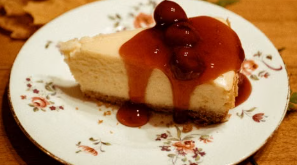
Italian Cheesecake: A Creamy Dessert With a Rustic Homemade Crust
Italian cheesecake is a classic dessert known for its delicate texture, rich flavor, and simple elegance. Unlike the dense, heavy New York-style cheesecake, traditional Italian cheesecake often has a lighter, softer consistency thanks to ingredients like ricotta cheese, fresh citrus zest, and a rustic homemade crust.
With a creamy filling, buttery crust, and subtle hints of vanilla and lemon, this dessert is perfect for family gatherings, holidays, special occasions, or a relaxing weekend treat. The best part is that you can create an authentic Italian-inspired cheesecake at home using simple ingredients and easy baking techniques.
What Makes Italian Cheesecake Different?
Italian cheesecake stands apart because of its lighter and more delicate character.
Traditional versions often use:
- Ricotta cheese instead of only cream cheese
- Fresh citrus flavors
- A simple pastry-style crust
- Less sweetness compared with many American cheesecakes
The result is a dessert that feels rich but not overly heavy.
Ricotta gives the filling a slightly grainy, creamy texture that is a signature feature of many Italian desserts.
Ingredients You’ll Need
This homemade Italian cheesecake is made with three main components:
- Rustic homemade crust
- Creamy cheesecake filling
- Optional toppings for finishing
Ingredients for the Rustic Homemade Crust
You’ll need:
- 1 ½ cups all-purpose flour
- ½ cup unsalted butter, softened
- ⅓ cup granulated sugar
- 1 large egg
- 1 teaspoon vanilla extract
- Pinch of salt
This simple crust creates a buttery foundation that complements the creamy filling.
Ingredients for the Italian Cheesecake Filling
For the filling, prepare:
- 2 cups whole-milk ricotta cheese
- 8 ounces cream cheese, softened
- ¾ cup granulated sugar
- 3 large eggs
- 1 teaspoon vanilla extract
- 1 tablespoon lemon zest
- 2 tablespoons lemon juice
- 2 tablespoons all-purpose flour
- Pinch of salt
Optional additions:
- Orange zest
- Almond extract
- Mini chocolate chips
- Powdered sugar for decoration
How to Make Italian Cheesecake Step by Step
Step 1: Prepare the Ricotta
For the smoothest cheesecake texture, drain the ricotta before using it.
Place the ricotta in a fine mesh strainer or cheesecloth and allow excess moisture to drain for several hours or overnight in the refrigerator.
This prevents the cheesecake from becoming too watery.
Step 2: Make the Homemade Crust
In a mixing bowl:
- Combine flour, sugar, and salt.
- Add softened butter.
- Mix until the texture resembles coarse crumbs.
- Add the egg and vanilla.
- Mix until a soft dough forms.
Avoid overmixing, as this can make the crust tough.
Wrap the dough and refrigerate it for about 30 minutes.
Step 3: Shape and Bake the Crust
Preheat your oven to:
350°F (175°C)
Grease a springform pan.
Press the dough evenly into the bottom of the pan. You can also press some dough slightly up the sides for a traditional rustic look.
Bake for about:
10–15 minutes
The crust should be lightly golden.
Allow it to cool slightly before adding the filling.
Step 4: Prepare the Cheesecake Filling
In a large bowl:
- Beat the ricotta and cream cheese until smooth.
- Add sugar and mix well.
- Add eggs one at a time.
- Mix in vanilla, lemon zest, lemon juice, flour, and salt.
Mix gently.
Overmixing can add too much air, which may cause cracks during baking.
Step 5: Bake the Cheesecake
Pour the filling over the prepared crust.
Bake at:
325°F (160°C)
for approximately:
50–60 minutes
The cheesecake is ready when:
- The edges are set.
- The center still has a slight jiggle.
- The top is lightly golden.
Avoid baking until completely firm, as the cheesecake will continue setting as it cools.
Step 6: Cool Slowly
Cooling properly is essential for the best texture.
Follow these steps:
- Turn off the oven.
- Leave the cheesecake inside with the door slightly open for about 30 minutes.
- Remove and cool at room temperature.
- Refrigerate for at least 4 hours before serving.
Overnight chilling often gives the best flavor and texture.
Tips for the Perfect Italian Cheesecake
Use Room Temperature Ingredients
Cold ingredients do not blend as smoothly.
Allow:
- Eggs
- Cream cheese
- Ricotta
to come closer to room temperature before mixing.
Do Not Overmix the Batter
Too much air can cause the cheesecake to rise and collapse, leading to cracks.
Mix until ingredients are combined and smooth.
Drain the Ricotta
This step creates a thicker, creamier filling and prevents excess moisture.
Bake at a Lower Temperature
A moderate oven temperature helps the cheesecake cook evenly and maintain a smooth texture.
Be Patient While Cooling
Cheesecake improves as it rests.
Cutting too early may result in a softer filling.
Delicious Ways to Serve Italian Cheesecake
Italian cheesecake is wonderful on its own, but toppings can add extra flavor.
Try serving it with:
Fresh Fruit
- Strawberries
- Raspberries
- Blueberries
- Sliced peaches
Citrus Flavors
Add:
- Lemon zest
- Orange slices
- A drizzle of citrus syrup
Chocolate
For a richer dessert:
- Add chocolate shavings
- Sprinkle cocoa powder
- Include mini chocolate chips in the filling
Powdered Sugar
A light dusting of powdered sugar gives the cheesecake a traditional Italian bakery-style appearance.
Common Mistakes When Making Italian Cheesecake
Using Wet Ricotta
Too much moisture can create a soft or runny filling.
Always drain ricotta before use.
Opening the Oven Too Often
Frequent temperature changes may affect baking and increase the chance of cracks.
Overbaking
A cheesecake that is baked too long may become dry and lose its creamy texture.
Skipping the Chilling Time
Cheesecake needs time to set.
Proper chilling creates the smooth texture everyone loves.
How to Store Italian Cheesecake
Refrigerator Storage
Store cheesecake in an airtight container or cover it tightly.
It will usually stay fresh for:
3–5 days
in the refrigerator.
Freezer Storage
Italian cheesecake freezes well.
To freeze:
- Cool completely.
- Wrap individual slices or the whole cheesecake tightly.
- Store in a freezer-safe container.
Thaw overnight in the refrigerator before serving.
Frequently Asked Questions
What cheese is traditionally used in Italian cheesecake?
Many Italian cheesecake recipes use ricotta cheese, often combined with other cheeses for a creamy texture.
Why is my Italian cheesecake too soft?
Common causes include:
- Too much moisture in ricotta
- Underbaking
- Not chilling long enough
Can I make Italian cheesecake without a crust?
Yes. Some traditional versions are made without a crust and rely entirely on the creamy filling.
Can I use only ricotta instead of cream cheese?
Yes. Many Italian-style recipes use only ricotta, but adding cream cheese creates a smoother and richer texture.
How do I prevent cheesecake cracks?
Avoid overmixing, bake at a moderate temperature, and cool the cheesecake slowly.
Final Thoughts
Italian cheesecake is a beautiful example of how simple ingredients can create an unforgettable dessert. With its creamy ricotta filling, delicate citrus flavor, and rustic homemade crust, this dessert offers a lighter and more traditional alternative to heavier cheesecake varieties.
The secret to success is patience: drain the ricotta, mix gently, bake slowly, and allow plenty of time for cooling. Whether served at a holiday dinner, family gathering, or enjoyed with a cup of coffee, homemade Italian cheesecake is a timeless dessert that brings a taste of Italy right to your kitchen.