Recipes Timez
What to Do If You Think You’re Having a Heart Attack at Home
A heart attack can happen unexpectedly, and knowing what to do in those first few moments can make a critical difference. The symptoms may be sudden and intense, but they can also begin gradually or feel surprisingly mild. Because a heart attack can become life-threatening, it is important to take possible warning signs seriously and seek emergency medical help without delay.
If you think you or someone else may be having a heart attack, don’t wait to see whether the symptoms disappear. Stop what you are doing, call your local emergency medical service, and follow the instructions you receive while waiting for help.
Recognizing Possible Heart Attack Symptoms
A heart attack doesn’t always feel the same for everyone. Some people experience obvious chest pain, while others may notice less familiar symptoms.
Possible warning signs include:
-
Pressure, squeezing, fullness, or discomfort in the chest
-
Pain or discomfort that spreads to the arm, shoulder, back, neck, or jaw
-
Shortness of breath
-
Cold sweating
-
Nausea or vomiting
-
Dizziness or lightheadedness
-
Unusual weakness or tiredness
-
A rapid or irregular heartbeat
-
Discomfort or burning that feels similar to indigestion
Chest discomfort may come and go, or it may continue for several minutes. Some people may experience several symptoms at once, while others may notice only one or two.
Because symptoms can vary, it is not a good idea to assume that a problem is harmless simply because the pain isn’t severe.
Call for Emergency Help Immediately
The first and most important step is to contact your local emergency medical service.
Tell the emergency operator that you think you may be having a heart attack. Explain your symptoms clearly and provide your location.
Don’t spend several minutes searching online for an explanation, calling multiple family members for advice, or waiting to see what happens.
Getting professional medical assistance quickly is more important than trying to determine the exact cause of your symptoms at home.
Stop Physical Activity
If you are walking, exercising, cleaning, climbing stairs, or doing another physical activity when symptoms begin, stop immediately.
Sit down somewhere comfortable and safe. Keep physical activity to a minimum while waiting for emergency assistance.
Avoid trying to “walk off” chest discomfort or testing yourself to see whether the symptoms return. If the problem involves the heart, unnecessary exertion can put additional strain on the body.
Do Not Drive Yourself to the Hospital
Driving yourself may seem convenient, particularly if the hospital is nearby, but it can be dangerous during a suspected heart attack.
Symptoms can suddenly become worse. A person may become extremely dizzy, lose consciousness, or develop a serious heart rhythm problem.
Emergency medical personnel can provide care while transporting you and can respond if your condition changes.
If emergency transportation is available, use it instead of driving yourself.
Stay Calm and Rest While Waiting
Waiting for emergency help can be frightening, but try to remain as calm as possible.
Sit in a comfortable position with your back supported. Keep your phone close to you and follow the instructions provided by the emergency operator.
If you’re alone, avoid unnecessary movement around the house.
If you can safely unlock the front door, doing so may make it easier for emergency personnel to reach you. However, don’t delay calling for help or put yourself at risk to do this.
What About Aspirin?
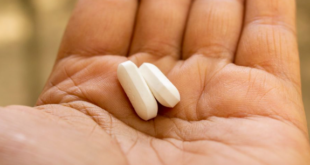
In some circumstances, an alert adult experiencing suspected heart attack symptoms may be advised to chew aspirin while waiting for emergency medical help.
However, aspirin is not appropriate for everyone. People with an aspirin allergy, certain bleeding problems, or other medical conditions may need to avoid it. Someone who has previously been told by a healthcare professional not to take aspirin should not take it simply because chest pain occurs.
If you’re unsure whether aspirin is safe for you, ask the emergency operator for instructions.
Most importantly, never delay the emergency call because you’re trying to find or take aspirin.
Use Your Prescribed Medication as Directed
If you have previously been diagnosed with a heart condition and your healthcare professional has prescribed medication for episodes of chest discomfort, follow the instructions you were given.
For example, some people with angina may have medication specifically intended for episodes of chest pain.
Never take prescription medication belonging to another person.
If you’re uncertain about what you should take, tell the emergency operator about your medications and follow their instructions.
Don’t Assume It’s Heartburn
One of the biggest problems with recognizing a heart attack is that the symptoms can sometimes resemble indigestion or heartburn.
You may experience:
-
Burning in the chest
-
Fullness or pressure
-
Upper abdominal discomfort
-
Nausea
-
Belching
-
A feeling of indigestion
Although these symptoms can have a digestive cause, they can also occur during a heart attack.
If you aren’t sure what is causing unexplained chest or upper-body discomfort, don’t attempt to diagnose the problem yourself. Seek emergency medical attention.
What If You’re Alone at Home?
Experiencing possible heart attack symptoms while alone can be particularly frightening.
Try to focus on the most important steps.
First, call your local emergency medical service. Clearly explain that you may be experiencing a heart attack.
Then sit or rest in a safe position and keep your phone nearby.
If there is someone you trust who lives nearby, you may let them know what is happening. However, contacting them should never delay the emergency call.
If you are able to safely unlock your door, you can do so while waiting for assistance. Keep any important medications or medical information nearby if they are easily accessible, but don’t spend time searching for them.
What If Someone Else Is Having a Heart Attack?
If you’re with someone who may be experiencing a heart attack, encourage them to stop moving and sit somewhere safe.
Call emergency medical services immediately.
Don’t leave the person alone unless absolutely necessary.
Pay attention to changes in their condition and follow the instructions provided by the emergency operator.
If the person becomes unconscious and is not breathing normally, the situation may have progressed to cardiac arrest. Emergency services should be contacted immediately, and CPR should be started according to the operator’s instructions.
If a defibrillator is available, follow its instructions as soon as possible.
Heart Attack vs. Cardiac Arrest
A heart attack and cardiac arrest are not the same thing.
A heart attack occurs when blood flow to part of the heart becomes blocked or severely reduced. The heart usually continues beating during a heart attack.
Cardiac arrest occurs when the heart suddenly stops pumping blood effectively. The person becomes unconscious and does not breathe normally.
A heart attack can sometimes lead to cardiac arrest, which is why changes in consciousness and breathing require immediate action.
What Not to Do During a Suspected Heart Attack
Knowing what to avoid can be just as important as knowing what to do.
Don’t wait for severe pain
A heart attack does not necessarily begin with unbearable chest pain. Mild or unusual symptoms can still require urgent medical attention.
Don’t drive yourself
Your condition can change suddenly, making driving dangerous.
Don’t exercise
Avoid walking around, climbing stairs, or performing physical tasks while waiting for help.
Don’t rely on home remedies
There is no home remedy that can safely replace emergency medical assessment for a suspected heart attack.
Don’t take someone else’s medication
Only take medication that has been prescribed or recommended specifically for you, according to medical instructions.
Don’t ignore symptoms because you’re young
Heart attacks can occur in people of different ages. While certain factors can increase risk, age alone should not be used to dismiss potentially serious symptoms.
Why Fast Medical Attention Matters
A heart attack can reduce the supply of oxygen-rich blood reaching the heart muscle.
When blood flow is restricted for too long, heart tissue can become damaged. Prompt medical treatment can help healthcare professionals determine what is happening and begin appropriate care.
This is why it is better to seek emergency assistance promptly rather than waiting for symptoms to become severe.
Even if the symptoms eventually turn out to have another cause, getting checked is safer than ignoring potentially serious warning signs.
What Happens When You Reach the Hospital?
When you arrive at the hospital, medical professionals will assess your symptoms and medical history.
They may perform tests such as an electrocardiogram, blood tests, blood pressure measurements, and other examinations.
The purpose is to determine whether a heart attack or another medical condition is responsible for the symptoms.
If a heart attack is confirmed, treatment will depend on the type and severity of the problem. Medical professionals may use medications or procedures to improve blood flow to the heart.
The sooner the condition is identified, the sooner appropriate treatment can begin.
Can Heart Attack Symptoms Go Away?
Yes, symptoms can sometimes improve or disappear temporarily.
However, this does not necessarily mean the underlying problem has resolved.
If you experienced unexplained chest discomfort or other symptoms that could indicate a heart attack, don’t simply assume everything is fine because you feel better.
Seek medical advice and follow the appropriate emergency guidance.
How to Prepare for a Heart Emergency
Although you cannot always prevent an emergency from occurring, a little preparation can make responding easier.
Keep a list of your current medications and important medical information somewhere accessible.
Make sure family members know how to contact emergency services.
If you have a diagnosed heart condition, understand the instructions your healthcare professional has given you for managing symptoms.
It can also be helpful to know where the nearest emergency department is and to understand how to contact local emergency medical services.
Final Thoughts
A suspected heart attack should always be taken seriously.
If you develop chest pressure, unusual chest discomfort, shortness of breath, sweating, nausea, dizziness, or pain spreading to your arm, back, neck, shoulder, or jaw, don’t wait for the symptoms to become severe.
Call your local emergency medical service immediately.
Stop physical activity, rest somewhere safe, follow emergency instructions, and avoid driving yourself to the hospital.
Don’t rely on home remedies or attempt to diagnose the problem yourself. A heart attack can become life-threatening quickly, and getting professional medical help as soon as possible is the safest response.
If these symptoms are happening to you right now, stop reading and seek emergency medical assistance.