 Recipes Timez
Earache Relief at Home: Safe Ways to Find Comfort
An earache can be surprisingly painful. Even a mild ache can make it difficult to sleep, concentrate, or go about your normal routine. Ear pain can happen for many reasons, including ear infections, congestion, allergies, pressure changes, excess earwax, or problems involving nearby areas such as the jaw or teeth.
The good news is that some mild earaches can be managed with simple comfort measures at home while the underlying cause improves. However, home care is not a substitute for medical evaluation when symptoms are severe, persistent, or accompanied by warning signs.
If you’re wondering how to relieve an earache at home, the safest approach is to focus on gentle measures that don’t involve putting objects or liquids inside the ear.
What Causes an Earache?
Ear pain has many possible causes.
An infection of the middle ear can cause pain, pressure, and sometimes fever. Outer ear infections may cause pain around the ear canal, particularly after swimming.
Other common causes include:
-
Earwax buildup
-
Colds and nasal congestion
-
Seasonal allergies
-
Sinus congestion
-
Changes in air pressure during flights
-
Water trapped in the ear
-
Jaw problems
-
Dental problems
-
Irritation or injury to the ear canal
Because the causes are so different, the best treatment depends on what is actually causing the pain.
For that reason, home remedies should focus on comfort rather than trying to diagnose or treat an unknown ear condition.
1. Apply a Warm Compress
A warm compress is one of the simplest ways to find temporary relief from ear discomfort.
Place a clean, comfortably warm washcloth against the outside of the affected ear for about 10 to 15 minutes.
The warmth may help soothe aching and make the area feel more comfortable.
Make sure the compress isn’t hot enough to burn the skin. This is especially important for young children, older adults, or anyone with reduced sensitivity to temperature.
You can repeat the process as needed for comfort.
2. Try a Cool Compress
Some people prefer cold rather than warmth.
A cool compress wrapped in a thin cloth can be placed against the outside of the ear for several minutes.
Cold may help reduce discomfort and can be particularly soothing if the area around the ear feels tender.
Never place ice directly against your skin. Wrap it in a cloth or use a commercially prepared cold pack according to its instructions.
If warmth feels better, use a warm compress instead. The goal is simply to find the method that provides comfortable relief.
3. Consider an Over-the-Counter Pain Reliever
For some people, over-the-counter pain relievers can help reduce earache discomfort.
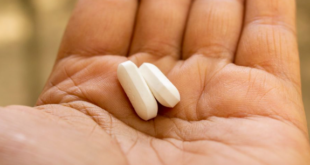
Common options include acetaminophen or ibuprofen, provided they are appropriate for you.
Always follow the dosage instructions on the package and avoid taking more than the recommended amount.
Certain people should be cautious with particular pain relievers. For example, some medications may not be appropriate for people with kidney disease, stomach ulcers, certain heart conditions, liver problems, or specific medication interactions.
If you’re unsure which pain reliever is suitable for you or your child, ask a pharmacist or healthcare professional.
Never give aspirin to children or teenagers unless specifically directed by a healthcare professional.
4. Keep the Ear Dry
If your ear is painful, keeping it dry can help prevent additional irritation.
Avoid swimming until the cause of the pain is clear, particularly if you have drainage from the ear or suspect an outer ear infection.
When showering, try not to allow large amounts of water to enter the affected ear.
Don’t insert cotton swabs, tissues, fingers, or other objects into the ear canal to dry it.
If water becomes trapped in the ear and discomfort continues, speak with a healthcare professional rather than trying to remove it with an object.
5. Rest With Your Head Slightly Elevated
If congestion or pressure is contributing to your ear discomfort, lying completely flat may sometimes make the pressure feel worse.
Try resting with your head slightly elevated using an extra pillow.
This may make sleeping more comfortable, particularly when an earache occurs alongside a cold or nasal congestion.
Good rest is also helpful while your body is recovering from an illness.
6. Stay Hydrated
Drinking enough fluids is a simple way to support your overall health, especially if your earache is occurring alongside a cold or other illness.
Water, warm beverages, and other nonalcoholic fluids can help you stay hydrated.
If nasal congestion is contributing to pressure around the ears, maintaining hydration may also help keep mucus thinner.
You don’t need to force excessive amounts of fluid. Simply drink regularly according to your body’s needs.
7. Manage Nasal Congestion Gently
Ear pressure can sometimes occur when a cold, allergy, or congestion affects the passage connecting the middle ear to the back of the nose.
In these situations, treating nasal congestion may help relieve pressure.
Saline nasal spray or saline drops can be a gentle option for many people.
Avoid aggressively blowing your nose, as forceful pressure can make ear discomfort worse.
If congestion persists for an extended period or you frequently experience ear pressure, discuss it with a healthcare professional.
8. Try Gentle Swallowing or Yawning
If your earache is related to pressure changes, such as after flying or traveling through significant changes in altitude, swallowing or yawning may help equalize pressure.
Chewing gum or sucking on a hard candy can also encourage frequent swallowing in appropriate age groups.
Do not forcefully try to “pop” your ears if doing so causes pain.
If pressure or pain remains severe after a flight or altitude change, seek medical advice.
What You Should Not Put in an Aching Ear
One of the most important parts of safe earache care is knowing what to avoid.
Do not insert cotton swabs, hairpins, keys, fingers, or other objects into the ear canal.
You should also avoid putting oils, alcohol, hydrogen peroxide, herbal mixtures, or other home remedies into the ear unless a healthcare professional has specifically recommended them.
This is particularly important if you don’t know whether your eardrum is intact.
A perforated eardrum can change which ear drops or treatments are safe.
Trying to remove earwax yourself can also push wax deeper into the ear or injure the ear canal.
Should You Use Ear Drops?
Ear drops can be helpful for certain conditions, but they aren’t appropriate for every type of earache.
The cause of the pain matters.
Some drops are designed to soften earwax, while others are intended for specific ear infections or inflammation. Using the wrong product can irritate the ear or cause problems if the eardrum is damaged.
If you have severe pain, drainage, bleeding, a history of eardrum perforation, ear tubes, or recent ear surgery, don’t use ear drops unless a healthcare professional tells you they are appropriate.
When an Earache May Need Medical Attention
Many minor earaches improve with time and supportive care, but some require professional evaluation.
Contact a healthcare professional if:
-
Ear pain is severe or getting worse.
-
The pain doesn’t improve or keeps returning.
-
You develop a fever.
-
There is fluid, pus, or blood coming from the ear.
-
You notice reduced or muffled hearing.
-
You experience significant dizziness or balance problems.
-
The area around the ear becomes swollen or red.
-
You have an object stuck in your ear.
-
You suspect an injury to the ear.
-
You have diabetes or a weakened immune system.
-
The earache occurs after a significant injury.
Young children may also need evaluation sooner because they may not be able to clearly describe what they are feeling.
Earache in Children
Earaches are common in children, particularly during colds and other respiratory illnesses.
A young child may not always say that their ear hurts. Instead, they may become unusually irritable, cry more than usual, have difficulty sleeping, or repeatedly touch or pull at their ear.
A warm compress against the outside of the ear may provide temporary comfort.
For children, medication dosing must be based on age, weight, and the specific product. Never guess the dose or use an adult formulation without checking the label or consulting a healthcare professional.
If a baby or young child has significant ear pain, fever, drainage from the ear, or symptoms that are getting worse, contact their healthcare provider.
Can Earwax Cause an Earache?
Yes, excessive earwax can sometimes cause discomfort, fullness, muffled hearing, or a blocked sensation.
However, ear pain isn’t always caused by earwax.
If you suspect a wax buildup, avoid digging into the ear with cotton swabs or other objects. This can push the wax deeper and potentially damage the ear canal or eardrum.
A healthcare professional can determine whether wax is actually causing the symptoms and recommend an appropriate removal method.
What About Ear Candling?
Ear candling is sometimes promoted as a home treatment for earwax and ear problems, but it is not a safe way to treat an earache.
It can cause burns, ear injuries, or blockage from candle wax.
Avoid using ear candles or placing burning objects near the ear.
There are safer ways to manage suspected earwax buildup and ear discomfort.
How Long Should an Earache Last?
The duration depends on the underlying cause.
Some mild earaches associated with temporary congestion or pressure may improve as the underlying problem resolves.
Other conditions, including certain ear infections, may require medical evaluation and treatment.
If the pain is persistent, severe, repeatedly returns, or is accompanied by hearing changes, drainage, fever, or other concerning symptoms, don’t rely on home remedies alone.
A healthcare professional can examine the ear and determine what is causing the pain.
Simple Ways to Stay Comfortable While Recovering
While you’re waiting for an earache to improve or for a medical appointment, a few simple habits may make you more comfortable:
-
Rest as much as possible.
-
Keep the painful ear dry.
-
Use a warm or cool compress.
-
Drink fluids regularly.
-
Avoid inserting anything into the ear.
-
Use pain medication only as directed and when appropriate.
-
Avoid swimming until the cause is understood.
-
Follow any treatment instructions provided by your healthcare professional.
These steps are intended to provide comfort rather than replace proper treatment.
Final Thoughts
An earache can be uncomfortable, but many cases can be made more manageable with simple and gentle home care.
A warm or cool compress, adequate hydration, rest, keeping the ear dry, and appropriate over-the-counter pain relief may help reduce discomfort. If congestion is contributing to pressure, saline nasal care and gentle swallowing may also be useful.
The most important rule is to avoid putting objects or unapproved substances inside an aching ear. Cotton swabs, ear candles, oils, and other home treatments can sometimes make an ear problem worse.
Pay attention to warning signs such as severe or worsening pain, fever, drainage, bleeding, hearing changes, swelling, dizziness, or symptoms that don’t improve.
When in doubt, have the ear examined by a healthcare professional. Identifying the actual cause is the best way to choose the safest and most effective treatment.
This article is for general educational purposes and does not replace professional medical advice, diagnosis, or treatment.