Recipes Timez
What Is Atorvastatin? Uses, Benefits, and Important Facts
Introduction
Atorvastatin is one of the most commonly prescribed medications used to help manage cholesterol levels and protect heart health. It belongs to a group of medicines called statins, which work by reducing the amount of cholesterol produced by the liver.
High cholesterol often does not cause noticeable symptoms, but over time it can contribute to plaque buildup in arteries. This buildup may increase the risk of serious cardiovascular problems, including heart attack and stroke.
For many people, atorvastatin is an important part of reducing these risks alongside healthy lifestyle choices such as a balanced diet, regular physical activity, and avoiding tobacco.
What Is Atorvastatin?
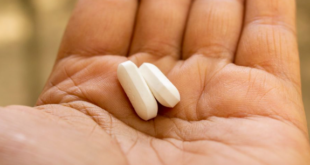
Atorvastatin is a prescription medication used to lower cholesterol and reduce the risk of cardiovascular disease.
It is classified as a:
- Statin medication
- HMG-CoA reductase inhibitor
The medication works by blocking an enzyme in the liver that plays a key role in cholesterol production.
By reducing cholesterol production, atorvastatin helps lower levels of low-density lipoprotein (LDL) cholesterol, often called “bad cholesterol.”
How Does Atorvastatin Work?
The liver naturally produces cholesterol, which the body needs for important functions. However, too much LDL cholesterol can contribute to fatty deposits forming inside blood vessels.
Atorvastatin works by:
- Blocking cholesterol production in the liver
- Increasing the liver’s ability to remove LDL cholesterol from the blood
- Lowering overall cholesterol levels
- Helping slow the buildup of plaque in arteries
It may also have effects that support blood vessel health, such as reducing inflammation associated with artery disease.
What Is Atorvastatin Used For?
Doctors may prescribe atorvastatin for several reasons.
1. Lowering High LDL Cholesterol
The primary use of atorvastatin is treating high cholesterol.
It can help lower:
- LDL cholesterol
- Total cholesterol
- Triglycerides
It may also slightly increase levels of high-density lipoprotein (HDL) cholesterol, sometimes called “good cholesterol.”
2. Reducing the Risk of Heart Disease
Atorvastatin may be prescribed to reduce the chance of cardiovascular problems in people at increased risk.
These risks may include:
- Heart attack
- Stroke
- Coronary artery disease
- Artery-related complications
Lowering LDL cholesterol can help reduce plaque buildup over time.
3. Supporting People With Existing Heart Conditions
People who already have cardiovascular disease may receive atorvastatin as part of a treatment plan to reduce future risks.
This may include individuals with:
- Previous heart attacks
- Certain types of artery disease
- A history of stroke related to blood vessel problems
4. Treating Certain Inherited Cholesterol Conditions
Some people have genetic conditions that cause extremely high cholesterol levels.
Atorvastatin may be used as part of treatment for conditions such as:
- Familial hypercholesterolemia
- Other inherited lipid disorders
Benefits of Atorvastatin
When used appropriately, atorvastatin may provide several important health benefits.
Helps Lower LDL Cholesterol
Lowering LDL cholesterol is one of the main ways atorvastatin helps protect cardiovascular health.
May Reduce Heart Attack Risk
By helping control cholesterol levels and slowing plaque buildup, atorvastatin may reduce the likelihood of certain heart-related events.
May Lower Stroke Risk
High cholesterol contributes to artery disease, which can increase stroke risk. Managing cholesterol is an important part of stroke prevention for many people.
Provides Long-Term Cardiovascular Protection
For people who need statin therapy, consistent use can be an important part of long-term heart health management.
How Is Atorvastatin Taken?
Atorvastatin is usually taken:
- Once daily
- With or without food
- At the same time each day
The dose depends on factors such as:
- Cholesterol levels
- Age
- Heart disease risk
- Other medical conditions
- Response to treatment
Your healthcare provider may adjust your dose based on blood tests and your overall health.
Common Side Effects of Atorvastatin
Many people take atorvastatin without serious problems, but side effects can occur.
Common side effects may include:
1. Muscle Aches or Pain
Some people experience:
- Muscle soreness
- Mild weakness
- Muscle discomfort
Mild symptoms should be discussed with a healthcare provider, especially if they continue.
2. Headache
Headaches may occur in some people taking atorvastatin.
If headaches are severe or persistent, medical advice may be needed.
3. Digestive Symptoms
Some people may experience:
- Nausea
- Diarrhea
- Constipation
- Stomach discomfort
Taking the medication consistently and following dietary recommendations may help.
4. Fatigue
Some individuals report feeling more tired while taking statins.
If fatigue affects daily activities, speak with your healthcare provider.
Serious Side Effects to Know About
Serious side effects are uncommon, but it is important to recognize warning signs.
Muscle Injury
Rarely, statins can cause a serious muscle condition called rhabdomyolysis.
Seek medical attention if you experience:
- Severe muscle pain
- Extreme weakness
- Dark-colored urine
- Unusual tiredness with muscle symptoms
Liver Problems
Atorvastatin can affect liver enzymes in some people.
Contact a healthcare provider if you experience:
- Yellowing of the skin or eyes
- Dark urine
- Severe abdominal discomfort
- Unusual fatigue
Doctors may recommend blood tests to monitor liver function when appropriate.
Who Should Be Careful When Taking Atorvastatin?
Before starting atorvastatin, tell your healthcare provider if you have:
- Liver disease
- A history of muscle problems
- Heavy alcohol use
- Certain thyroid problems
- Kidney-related concerns
Your doctor will consider your overall health before recommending treatment.
Drug and Food Interactions
Some medications and substances may interact with atorvastatin.
Possible interactions include:
- Certain antibiotics
- Some antifungal medications
- Some heart medications
- Other cholesterol-lowering drugs
- Grapefruit or grapefruit juice in large amounts
Always tell your healthcare provider about:
- Prescription medications
- Over-the-counter medicines
- Vitamins
- Herbal supplements
Lifestyle Changes That Improve Cholesterol Levels
Medication works best when combined with healthy habits.
Helpful lifestyle changes include:
Eat a Heart-Healthy Diet
Choose foods such as:
- Vegetables
- Fruits
- Whole grains
- Beans
- Fish
- Nuts
- Healthy fats
Limit:
- Excess saturated fats
- Trans fats
- Highly processed foods
Exercise Regularly
Physical activity can support:
- Healthy cholesterol levels
- Heart strength
- Weight management
Aim for regular movement based on your health and abilities.
Maintain a Healthy Weight
A healthy weight can improve cholesterol levels and reduce cardiovascular risk.
Avoid Smoking
Smoking damages blood vessels and significantly increases heart disease risk.
Frequently Asked Questions
Is atorvastatin a blood thinner?
No. Atorvastatin is not a blood thinner. It lowers cholesterol and helps reduce cardiovascular risk.
How long does atorvastatin take to work?
Cholesterol levels may begin improving within a few weeks, but your healthcare provider will determine when to check your progress.
Can I stop taking atorvastatin if my cholesterol improves?
Do not stop without medical advice. Cholesterol may rise again after stopping treatment.
Does atorvastatin lower blood pressure?
No. Atorvastatin is not a blood pressure medication, although it may reduce heart-related risks.
Can atorvastatin be taken at night?
Atorvastatin can generally be taken at different times of day because it remains active in the body for a long period. Follow your healthcare provider’s instructions.
Important Facts About Atorvastatin
Here are key points to remember:
- Atorvastatin is a statin medication used to lower cholesterol.
- It mainly reduces LDL (“bad”) cholesterol.
- It may help reduce the risk of heart attack and stroke.
- Regular use is important for long-term benefits.
- Side effects are possible but often manageable.
- Lifestyle changes improve treatment results.
- Never stop prescription medication without consulting your healthcare provider.
Conclusion
Atorvastatin is a widely used medication that plays an important role in managing cholesterol and protecting cardiovascular health. By lowering LDL cholesterol and helping reduce plaque buildup in arteries, it can support the prevention of serious heart and blood vessel problems.
While atorvastatin is generally well tolerated, understanding possible side effects, medication interactions, and safe use practices is important. Regular communication with your healthcare provider can help ensure that your treatment plan remains effective and appropriate for your health needs.
A combination of medication, healthy eating, physical activity, and regular medical care can provide the strongest foundation for long-term heart health.
Disclaimer: This article is for informational purposes only and does not replace professional medical advice. Always consult your doctor or pharmacist before starting, stopping, or changing any medication.