Recipes Timez
Taking Atorvastatin? 15 Possible Side Effects to Know
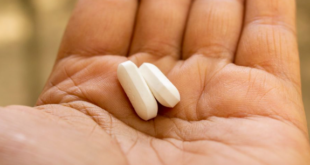
Atorvastatin is one of the most commonly prescribed medications for lowering cholesterol and reducing the risk of heart attack and stroke. It belongs to a class of drugs known as statins, which work by reducing the amount of cholesterol produced by the liver.
For many people, atorvastatin is both safe and effective when taken as prescribed. Like all medications, however, it can cause side effects. Most people experience few or no problems, while others may notice mild symptoms that improve over time. Rarely, more serious side effects can occur and require prompt medical attention.
What Is Atorvastatin?
Atorvastatin is a prescription medication used to:
- Lower LDL (“bad”) cholesterol
- Reduce triglyceride levels
- Increase HDL (“good”) cholesterol
- Help prevent heart attacks and strokes in people at increased cardiovascular risk
It is often recommended alongside lifestyle changes such as a heart-healthy diet, regular exercise, and smoking cessation.
Most people take atorvastatin once daily, with or without food, according to their healthcare provider’s instructions.
1. Muscle Pain
Muscle aches or soreness are among the most commonly reported side effects of statins.
Symptoms may include:
- Mild muscle discomfort
- Tenderness
- Stiffness
- Cramping
If muscle pain becomes severe or is accompanied by weakness or dark-colored urine, seek medical attention promptly, as this may indicate a rare but serious complication.
2. Muscle Weakness
Some people notice reduced muscle strength while taking atorvastatin.
This may make everyday activities such as climbing stairs, carrying groceries, or exercising feel more difficult than usual.
Persistent or worsening muscle weakness should be discussed with a healthcare professional.
3. Joint Pain
Joint discomfort can occur in some individuals taking atorvastatin.
Pain may affect:
- Knees
- Shoulders
- Hips
- Hands
- Ankles
Because joint pain has many possible causes, your healthcare provider can help determine whether the medication is contributing to your symptoms.
4. Digestive Upset
Some people experience mild digestive symptoms when starting atorvastatin.
Possible symptoms include:
- Nausea
- Stomach discomfort
- Indigestion
- Gas
- Bloating
These effects often improve as the body adjusts to the medication.
5. Diarrhea
Loose stools or diarrhea may occur, particularly during the first few weeks of treatment.
Staying hydrated is important. If diarrhea is severe, persistent, or accompanied by dehydration, contact your healthcare provider.
6. Constipation
While some people develop diarrhea, others may experience constipation.
Increasing dietary fiber, drinking plenty of water, and staying physically active may help relieve mild constipation.
7. Headache
Headaches have been reported by some people taking atorvastatin.
These are usually mild and temporary, but persistent or severe headaches should be evaluated by a healthcare professional.
8. Fatigue
Feeling unusually tired or lacking energy may occur in some individuals.
Fatigue can have many causes, including underlying medical conditions, poor sleep, or other medications. If it continues or interferes with daily life, discuss it with your healthcare provider.
9. Dizziness
Occasionally, atorvastatin may cause dizziness.
To reduce the risk of falls:
- Stand up slowly from sitting or lying down.
- Stay hydrated.
- Avoid driving or operating machinery if you feel dizzy.
Seek medical advice if dizziness is severe or recurrent.
10. Elevated Liver Enzymes
Atorvastatin can occasionally affect liver function, leading to increased liver enzyme levels that may be detected on blood tests.
Most people do not experience symptoms, but healthcare providers may recommend periodic monitoring, especially when starting treatment or changing the dose.
Possible symptoms of liver problems include:
- Yellowing of the skin or eyes
- Dark urine
- Persistent nausea
- Severe fatigue
- Upper right abdominal pain
These symptoms require prompt medical evaluation.
11. Increased Blood Sugar Levels
Research has shown that statins may slightly increase blood sugar levels in some people.
For individuals with diabetes or prediabetes, regular monitoring of blood glucose may be recommended.
Despite this potential effect, the cardiovascular benefits of atorvastatin often outweigh the small increase in diabetes risk for many patients.
12. Sleep Changes
Some people report changes in sleep patterns while taking statins.
These may include:
- Difficulty falling asleep
- Interrupted sleep
- Vivid dreams
If sleep problems persist, discuss them with your healthcare provider rather than stopping the medication on your own.
13. Skin Rash
Although uncommon, some individuals may develop:
- Mild rash
- Itching
- Skin irritation
Any rash accompanied by swelling, difficulty breathing, or signs of a severe allergic reaction requires immediate medical attention.
14. Memory or Cognitive Changes
A small number of people have reported memory problems or confusion while taking statins.
Research findings on this topic have been mixed, and many studies have not found a clear cause-and-effect relationship. If you notice changes in memory or thinking, speak with your healthcare provider for an evaluation.
15. Rare Serious Muscle Injury (Rhabdomyolysis)
One of the rare but most serious side effects of atorvastatin is rhabdomyolysis, a condition involving significant muscle breakdown.
Warning signs may include:
- Severe muscle pain
- Extreme weakness
- Dark or cola-colored urine
- Fever
- Reduced urine output
Although this complication is uncommon, it requires emergency medical care because it can lead to kidney damage if not treated promptly.
Who May Be at Higher Risk of Side Effects?
Certain factors may increase the likelihood of experiencing side effects from atorvastatin, including:
- Older age
- Taking higher doses
- Having kidney or liver disease
- Drinking excessive amounts of alcohol
- Taking certain medications that interact with atorvastatin
- Having a history of muscle disorders
Always inform your healthcare provider about all prescription medications, over-the-counter medicines, and dietary supplements you take.
Tips for Taking Atorvastatin Safely
To get the greatest benefit from your medication:
- Take it exactly as prescribed.
- Do not stop taking it without medical advice.
- Follow a heart-healthy diet.
- Exercise regularly, if recommended by your healthcare provider.
- Attend follow-up appointments.
- Report unusual muscle pain or weakness promptly.
- Discuss all new medications and supplements before starting them.
Consistency is important for maintaining healthy cholesterol levels.
When Should You Contact Your Doctor?
Contact your healthcare provider if you experience:
- Persistent muscle pain or weakness
- Severe fatigue
- Ongoing digestive problems
- Yellowing of the skin or eyes
- Unexplained rash
- Significant dizziness
- Confusion or memory changes
Seek emergency medical attention if you develop:
- Difficulty breathing
- Swelling of the face, lips, tongue, or throat
- Severe muscle pain with dark urine
- Symptoms of a severe allergic reaction
Frequently Asked Questions
Should I stop taking atorvastatin if I have muscle pain?
Do not stop taking atorvastatin without consulting your healthcare provider. Muscle pain has many possible causes, and your provider can determine whether your medication should be adjusted.
Can atorvastatin cause weight gain?
Weight gain is not considered a common side effect of atorvastatin. If you notice unexpected changes in weight, discuss them with your healthcare provider.
Is it safe to exercise while taking atorvastatin?
For most people, regular physical activity is encouraged because it supports heart health. However, if you develop unusual muscle pain or weakness during exercise, contact your healthcare provider.
How long do side effects last?
Many mild side effects improve as your body adjusts to the medication. Persistent or worsening symptoms should be evaluated by a healthcare professional.
Can I drink alcohol while taking atorvastatin?
Moderate alcohol consumption may be acceptable for some people, but excessive alcohol use can increase the risk of liver problems. Ask your healthcare provider what is appropriate for your situation.
Final Thoughts
Atorvastatin has helped millions of people lower their cholesterol and reduce the risk of serious cardiovascular events. Most people tolerate the medication well, and many experience no significant side effects.
Being aware of possible symptoms—such as muscle pain, digestive upset, fatigue, or changes in liver function—can help you recognize when it’s time to speak with your healthcare provider. Rare but serious side effects, including severe muscle injury or allergic reactions, require immediate medical attention.
Never stop taking atorvastatin without first consulting the healthcare professional who prescribed it. If side effects occur, your provider may recommend lifestyle changes, dose adjustments, additional monitoring, or an alternative treatment that better suits your needs.
Disclaimer: This article is for informational purposes only and should not be considered medical advice. Always consult a qualified healthcare professional before starting, stopping, or changing any prescription medication, including atorvastatin.